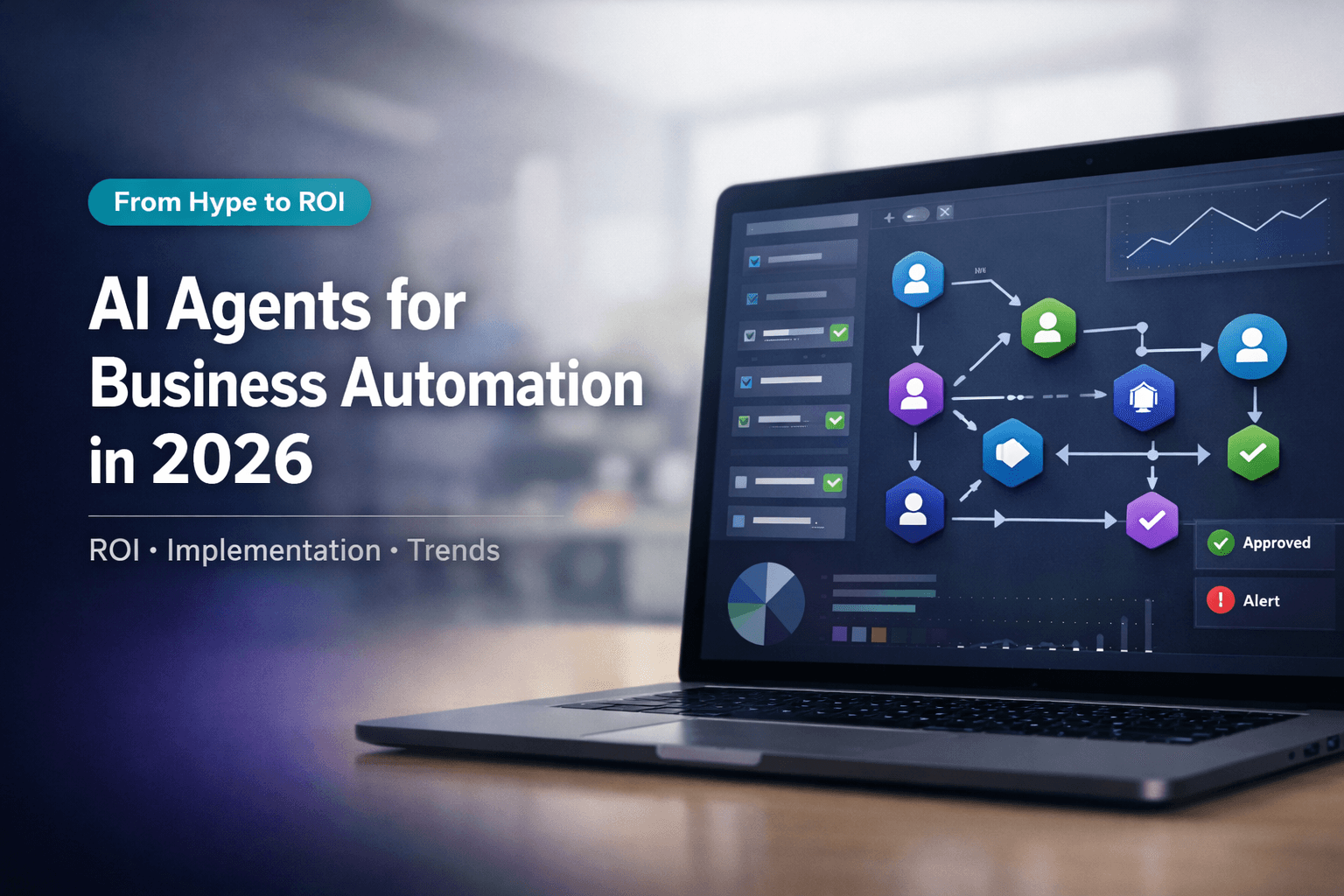
7 Ways AI Automation Is Transforming Real Estate for Agents in 2026
Real estate has always rewarded speed, consistency, and strong follow-up. In 2026, that is exactly why AI automation for real estate agents is getting real attention.
This is not about flashy tech for the sake of it. Most agents are looking for something simpler: fewer missed leads, faster response times, smoother scheduling, and less admin work draining the week. The latest wave of AI tools is starting to help with those everyday problems, which is why adoption feels more practical now than experimental.
Why AI Automation Matters More in 2026
Most agents do not lose business because they forgot how to sell. They lose business because the process gets messy.
Leads come in from multiple channels. Follow-up happens late. Listing promotion takes longer than it should. Admin work stacks up. Small gaps turn into lost opportunities.
That is where AI is becoming useful. Industry coverage from Anglara’s roundup of AI agent use cases in real estate and Intuz’s guide to AI-powered real estate lead generation points to the same shift: AI is moving beyond simple chat assistants and into workflow support, lead qualification, and task coordination.
For agents, the value is straightforward:
- Faster lead response
- More consistent follow-up
- Less repetitive admin work
- Better client communication
- Clearer visibility across the pipeline
For brokerages, the upside can be even bigger. Automation helps standardize the process without forcing every agent to work the exact same way.
7 Practical Ways AI Automation Is Changing Real Estate
1. Lead capture and qualification
Lead generation is still the first place many teams see value.
AI can collect inquiries from websites, landing pages, paid ads, and contact forms, then organize them based on urgency, location, price range, or likely intent. Instead of dropping every lead into one crowded inbox, the system can sort what matters now from what needs nurturing later.
That kind of workflow is one reason real estate teams are exploring AI more seriously. The goal is not just to get more leads. It is to respond to the right ones faster.
2. Faster client communication
Most buyers and sellers do not expect a full consultation five minutes after they submit a form. They do expect a response.
AI assistants can handle that first layer well. They can answer common questions, confirm the next step, send basic updates, and trigger follow-up messages by email or text. That keeps the conversation moving while giving the agent time to step in where human judgment actually matters.
This works especially well for:
- first-touch replies
- appointment confirmations
- listing inquiry responses
- nurture sequences for colder leads
3. Smarter property matching
Clients want recommendations that feel relevant, not random.
AI can help match buyers with listings based on budget, preferred neighborhoods, home type, timeline, and prior behavior. That does not replace an agent’s local judgment, but it can make the recommendation process faster and more personalized.
The result is a better client experience and less manual list-building behind the scenes.
4. Document prep and transaction support
Real estate runs on paperwork, and a lot of that paperwork is repetitive.
AI can help draft summaries, organize transaction files, flag missing information, and prepare internal notes before documents move to the next stage. That can save time, especially for busy agents juggling multiple deals at once.
It is worth being careful here. AI should support the process, not replace brokerage compliance, legal review, or licensed expertise. Used the right way, though, it can cut down on routine admin without adding chaos.
5. Scheduling without the back-and-forth
Scheduling sounds minor until it starts eating the day.
Showings, inspections, consultations, and follow-ups all compete for calendar space. AI can help suggest time slots, send reminders, confirm appointments, and update calendars automatically. That reduces the usual back-and-forth and makes the experience smoother for both the agent and the client.
In a business where speed matters, removing friction matters too.
6. Marketing that actually gets done
Marketing is one of the first things to slip when an agent gets busy.
AI can help draft listing descriptions, social captions, email sequences, neighborhood updates, and blog posts. The best use case is not handing over your entire voice to a machine. It is getting a solid first draft so you can edit faster and publish more consistently.
For solo agents and lean teams, that can make it much easier to keep up with:
- listing launch campaigns
- weekly email newsletters
- local market updates
- social media promotion
7. Better insight into what is working
AI is also starting to help agents spot patterns that are easy to miss in the day-to-day rush.
That might include lead-source performance, buyer behavior trends, local inventory shifts, pricing signals, or follow-up gaps across the pipeline. Broader coverage on AI-driven real estate automation from Crecentech and agentic AI use cases across industries from TechAhead suggests the bigger opportunity is not just automation for its own sake. It is better decision-making.
When agents can see what is working and where deals are stalling, they can spend their time more intentionally.
What AI Looks Like in Practice
The biggest wins usually happen when AI is tied to a real workflow, not used as a novelty.
A simple version might look like this:
- A lead comes in from a website or ad.
- AI captures the inquiry and summarizes the details.
- The lead is sorted by urgency or fit.
- A first response is sent automatically.
- The agent steps in for the conversation, advice, and close.
That structure matters more than any single feature.
A public YouTube demo of an AI agent sourcing real estate leads shows the same basic pattern. The tool does the repetitive intake and organization work. The human handles the high-trust moments.
That is also why some teams are moving beyond single-purpose chat tools. If your operation includes lead intake, follow-up, scheduling, reporting, and internal handoffs, a multi-agent platform can be a better fit. Platforms such as AffinityBots are built around that idea, with specialized agents, workflow coordination, shared knowledge, and structured data management. For real estate teams, that mirrors how the business actually runs.
How to Start Without Overcomplicating It
If you want real estate workflow automation to work, start small.
Pick one bottleneck
Choose the most repetitive pain point first. For most agents, that is new lead response, showing coordination, listing marketing, or client follow-up.
Map the current process
Write down what happens today, step by step. Where does the lead come in? Who replies? What information gets captured? Where is it stored?
Add AI where it creates leverage
Use AI where it saves time or improves consistency. Good starting points include summarizing inquiries, sending first-touch responses, routing leads, or updating records automatically.
Keep a human in the loop
The goal is not to remove people from the process. The goal is to free agents up for advice, trust-building, negotiation, and local expertise.
Measure the result
Track response time, follow-up completion, time saved, and conversion rates. If the workflow is helping, expand from there.
Common Mistakes to Avoid
AI adoption usually fails for boring reasons, not exciting ones.
Common problems include:
- messy data
- unclear ownership
- weak follow-up habits
- compliance concerns
- unrealistic expectations
The fix is usually simple. Start with one use case. Keep the workflow clear. Review outputs before scaling. Build trust in the process before you automate more of it.
FAQs
Is AI automation worth it for solo real estate agents?
Yes. Even one well-built workflow can save hours each week, especially around lead response, scheduling, and follow-up.
Can AI replace a real estate agent?
No. AI can support communication, organization, and research, but clients still want human judgment, local knowledge, and someone they trust during a major transaction.
What is the best place to start?
Lead response and qualification are usually the easiest entry point because they are repetitive, measurable, and easy to improve quickly.
Is AI safe to use for contracts and compliance work?
It can help organize and prepare information, but final review should stay with your brokerage, legal counsel, or another licensed professional.
Conclusion
AI is not changing real estate because it sounds futuristic. It is changing real estate because it helps agents work faster, stay more consistent, and protect time for the parts of the job that actually require a human touch.
If you are exploring AI automation for real estate agents, start with one workflow that is costing you time right now. Prove the value, tighten the process, and build from there.
The agents who win in 2026 will not be the ones using the most AI. They will be the ones using it with the clearest process.